2764 Rowena Ave. | Tue-Sat 9a-9p, Sun 9a-3p | 323.407.6377
2764 Rowena Avenue, Los Angeles, CA 90039
Tue-Sat 9a-9p, Sun 9a-3p | 323.407.6377

Click on a menu tab to review highlights of the delicious offerings in that category. Note our all menu items are subject to availability, if you want to be absolutely sure an item is available for your visit, please do call and/or ask!
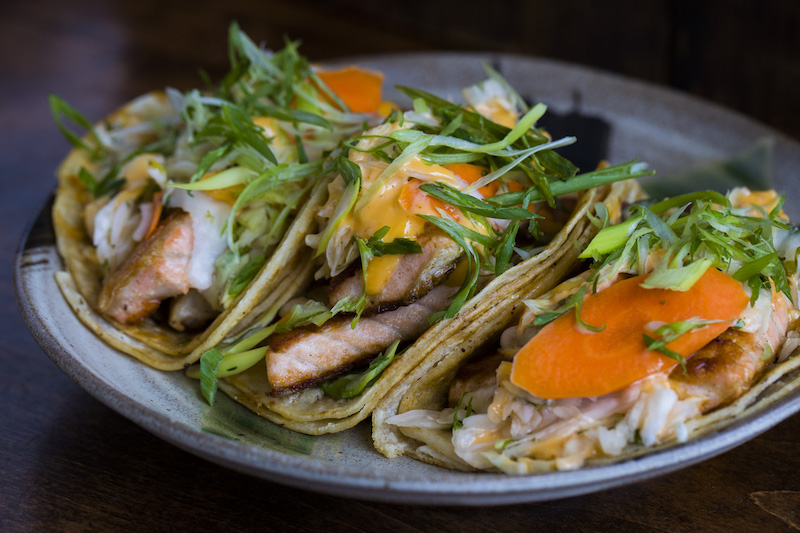
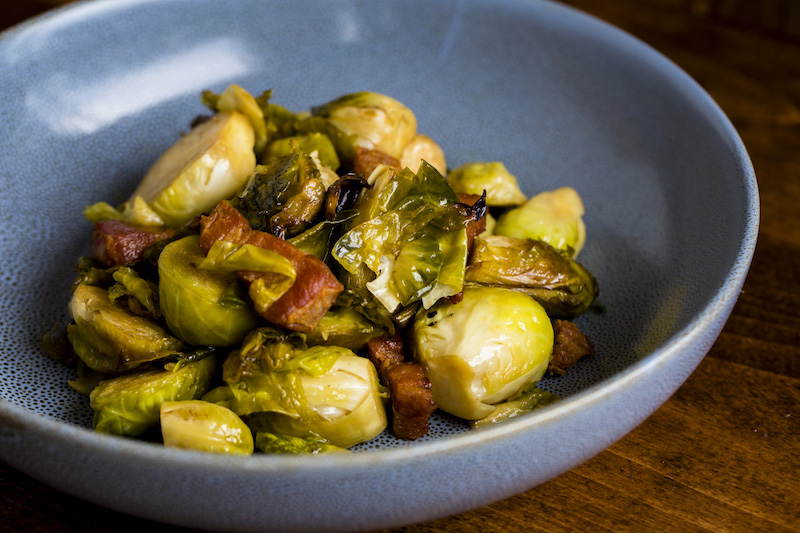
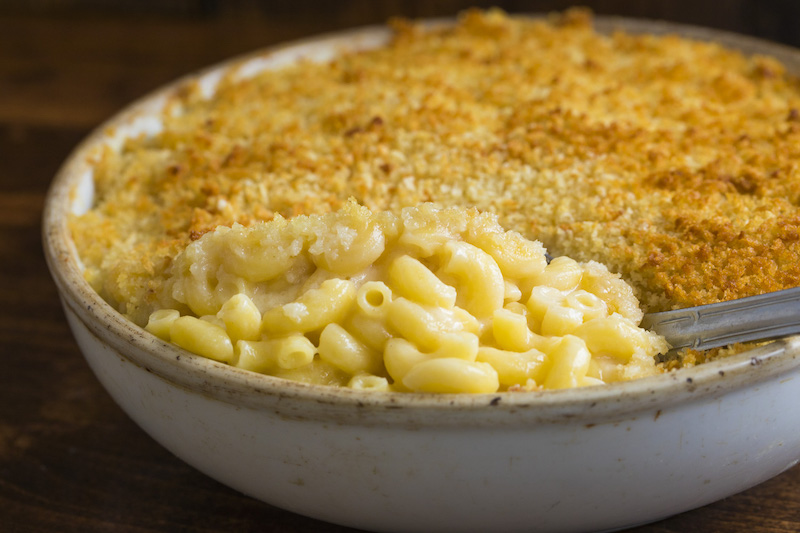
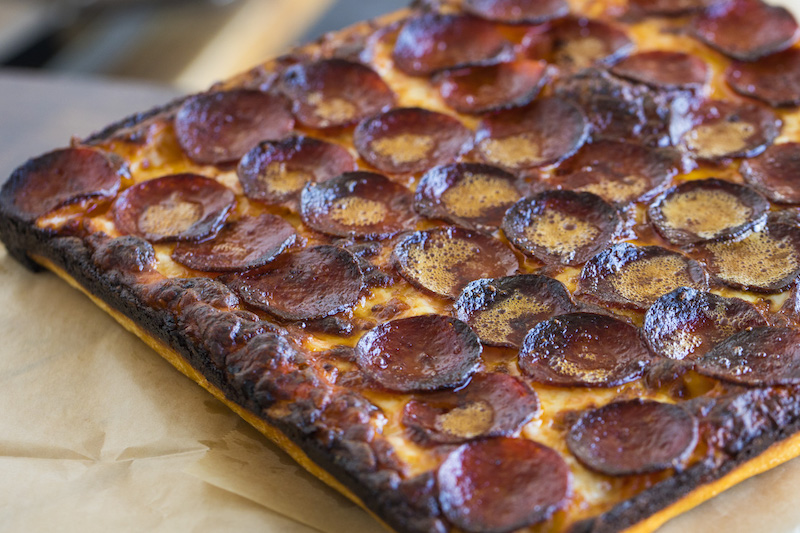
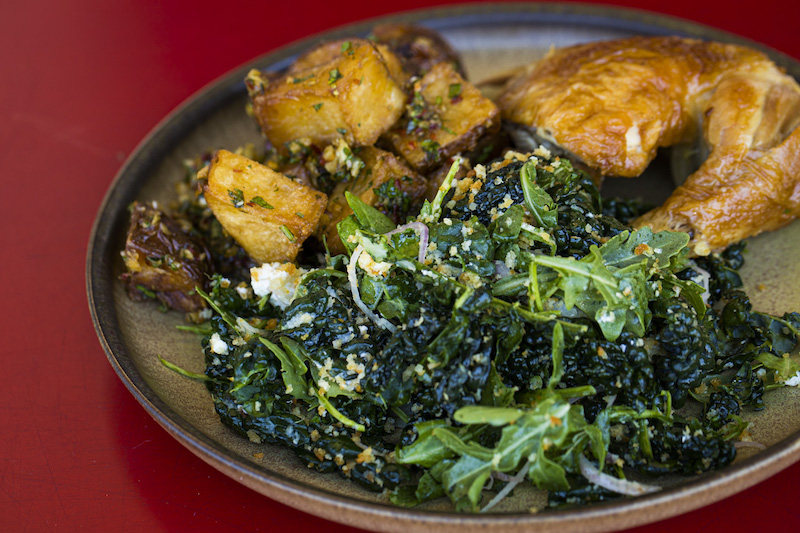
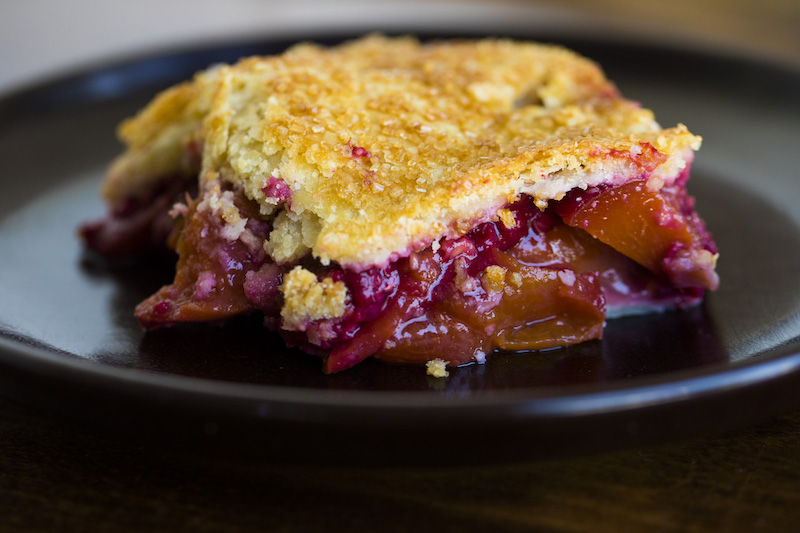
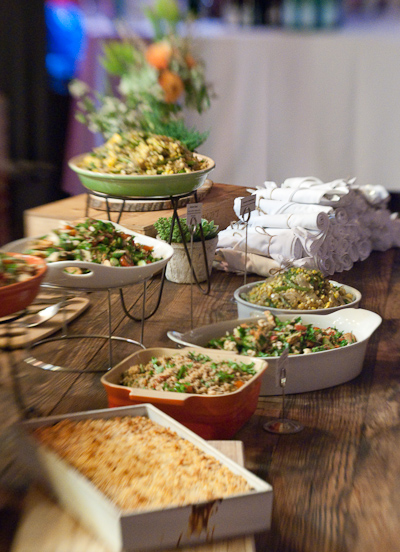
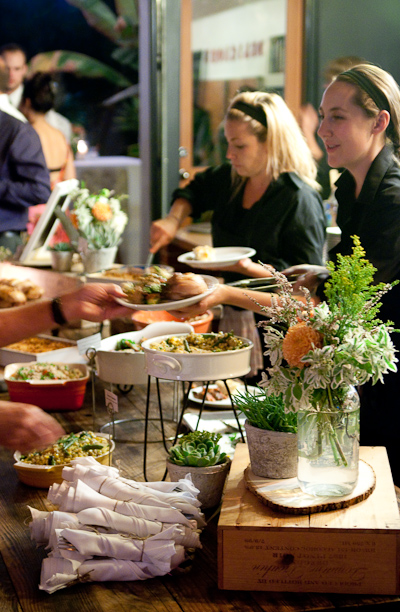
Bring our distinctive dining experience to your special event with Forage catering.
We customize a menu aligned with your vision, and then deliver a dining experience that ensures your event will be both enjoyed and remembered. Our catering menus are based on the same family-friendly market-driven dishes served daily at the restaurant, along with special dishes informed by our chef's seasonal insights and background in fine dining.
Forage is an ideal catering partner for events seeking to feature seasonal, delicious, inspiring dishes to guests who care about making lifestyle choices that promote a better world. We work with your events both large and small. Our catering service is scalable and is perfect for group orders, industry lunches, and casual parties.
Click here for a copy of our catering take-out menu.
To place your order, please click here.
For events or any other inquiries, please email catering@foragela.com.
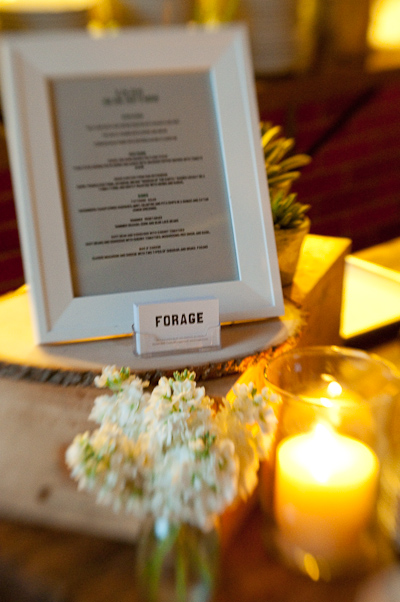
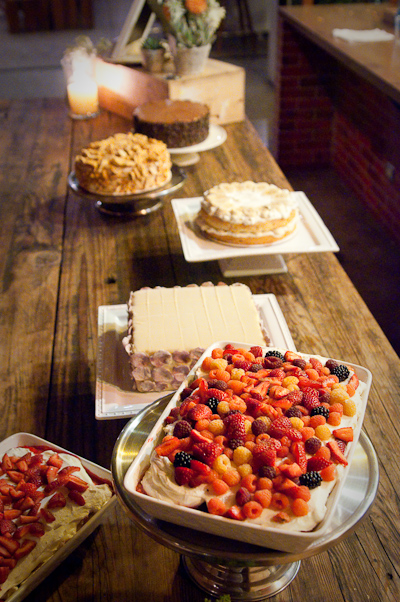
To all our neighbors, to working families, people on the go, and people who care about making daily choices that promote a better world, welcome to Forage.
Since 2010, our commitment to you is to make seasonal, delicious, affordable, high-quality food a part of your life, again and again. Every day we open our doors, we share your same hopes and vision: how to maintain an authentic relationship with food that is good on every level.
We live in a world where quality too often gets priced out of reach, and where quantity is often imposed by crowding out other choices. Forage explores the space in between these two extremes. We search for the middle ground between the inaccessible and the inedible because we want to rediscover a sustainable and healthy love affair with food that is simple, real, and good to eat.
We are family-owned and locally run, and we seek those same qualities from the people who provide us with the food that we serve to you. We select the best of the market from local farmers we've known for years, and we invite the best of the backyard from our friends and neighbors who care as much as we do about making conscious food choices.
We believe that together our collective passion for living well and eating well will inspire people to see that we all already hold the keys to reclaiming the simple joys of good food. The answers are around us -- in our local farms and farmers, in our backyard gardens and fruit trees, and in our daily acts that support sensible choices.
We are grateful for the opportunity to share our food with you and hope that your experience with us helps you keep falling back in love with eating good food.
Yes, we sell gift cards and we recharge gift cards.
You can purchase a gift card in any amount.
We can mail the gift card to you, or directly to your friend or loved one.